
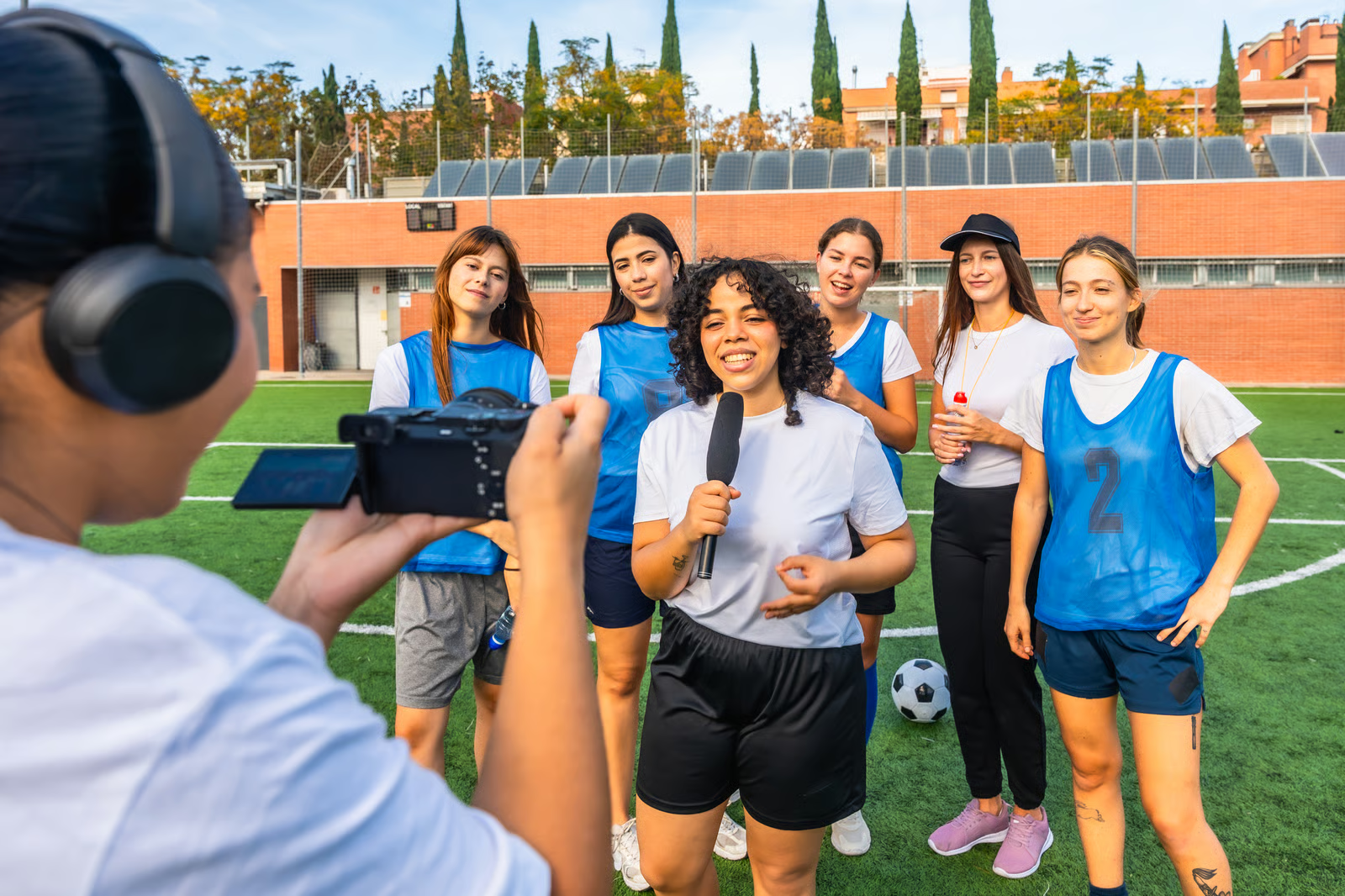
The Name, Image, and Likeness (NIL) era has opened new opportunities for student-athletes across the country. From brand partnerships to digital content creation, athletes now have the ability to engage with markets that were once reserved only for professional athletes. While this shift has created tremendous possibilities, it has also introduced new questions about how representation should work in a collegiate environment.
For many student-athletes, NIL representation has quickly adopted a familiar structure from professional sports: commission-based agents seeking to broker deals. While that model can make sense in professional athletics, the collegiate NIL environment is fundamentally different. Student-athletes are not only building brands—they are navigating academic commitments, team responsibilities, and personal growth during one of the most formative periods of their lives.
As NIL continues to evolve, a growing number of voices within the ecosystem are exploring whether service-based advisory models may better support the long-term development of student-athletes than purely commission-driven relationships.
Services Should Match the Athlete’s Needs
Every student-athlete enters the NIL ecosystem with different goals, resources, and levels of experience. Some may need help understanding contracts, brand partnerships, or digital visibility. Others may simply need guidance navigating marketplace platforms or communicating opportunities through social media.
A service-based approach to NIL representation recognizes that not every athlete needs the same level of deal brokerage or monetization strategy. Instead, support should be tailored to the individual athlete’s needs—whether that involves brand development, public visibility, compliance guidance, marketing strategy, or technology navigation.
When services are structured around the athlete rather than the transaction, representation becomes less about chasing deals and more about helping athletes build sustainable opportunities while protecting their eligibility and reputation.

Integrating Individual Efforts Within an Institutional NIL Framework
Another important aspect of modern NIL strategy is the relationship between individual athletes and their institutions. Athletic departments are increasingly working to create cohesive NIL environments that include communications practices, compliance structures, technology platforms, and community partnerships.
When representation exists entirely outside of this environment, it can unintentionally create fragmentation within the NIL ecosystem. Individual deals may occur in isolation, technology platforms may not communicate effectively with institutional resources, and opportunities may become disconnected from the broader culture of the athletic program.
An advisory model that works alongside institutions—while still protecting athlete independence—can help create a more unified NIL environment where athletes, universities, brands, and communities all benefit from coordinated efforts.
Focus Remains the Most Valuable Asset for Student-Athletes
One of the most important aspects of the collegiate experience is the ability for student-athletes to remain focused on their academic and athletic responsibilities. NIL opportunities should enhance that experience, not distract from it.
Student-athletes should have the ability to pursue opportunities while still maintaining the focus, autonomy, and personal growth that define the college experience. Representation models that prioritize constant deal-making or transactional engagement can sometimes create unnecessary pressure or distraction for athletes who are still developing both on and off the field.
Supporting athletes in a way that protects their time, focus, and development is not only beneficial for the individual athlete—it also benefits teams, institutions, and the broader culture of collegiate sports.
Monetization Is Not Always the Easier and Softer Way
In today’s digital economy, monetization is often presented as a simple pathway to success. Social media platforms, marketplaces, and influencer networks have created an environment where quick transactions can appear attractive and accessible.
However, monetization in the NIL space is not always the easiest or most sustainable path. Quick deals and short-term endorsements may provide immediate returns, but they can also introduce risks related to brand alignment, reputation, eligibility, and long-term brand value.
Student-athletes should be encouraged to think beyond short-term opportunities and consider how NIL relationships fit into their broader personal and professional goals.
The Risks of Transactional NIL Relationships
The rise of NIL marketplaces and digital deal platforms has made it easier than ever for athletes and brands to connect quickly. While this democratization of opportunity is an important part of the NIL ecosystem, it also introduces potential liabilities when relationships become purely transactional.
Some of these risks include:
- Brand partnerships that lack alignment with the athlete’s values or long-term goals
- Overexposure to short-term promotional deals that dilute personal brand identity
- Compliance and eligibility risks tied to poorly structured agreements
- Limited long-term relationship development with brands or community partners
When NIL interactions are reduced to rapid transactions, the broader potential of the ecosystem—community engagement, brand storytelling, and athlete development—can be overshadowed by short-term incentives.
Preserving Sovereign Agency in the NIL Era
Perhaps the most important principle for the future of NIL is the preservation of sovereign agency for student-athletes. The NIL movement was built on the idea that athletes should have the ability to control and benefit from their own name, image, and likeness.
Maintaining that autonomy requires thoughtful representation models that empower athletes rather than simply directing them toward transactions.
Student-athletes should be able to maintain relationships with technology platforms, marketplaces, brands, and institutions while still retaining control over their personal brand decisions. Representation should support this autonomy, not replace it.
Protecting the Democratization of the NIL Ecosystem
The democratization of NIL opportunities has been one of the most exciting aspects of the modern college sports landscape. Athletes from a wide range of programs and backgrounds now have the ability to participate in brand partnerships and digital media opportunities.
Preserving this openness requires an ecosystem that values education, responsible representation, and collaborative institutional frameworks. When NIL becomes overly centralized around transactional models or commission-driven deal pipelines, the broader spirit of the ecosystem can be diminished.
A balanced approach—one that combines advisory support, institutional alignment, and athlete autonomy—helps ensure that NIL continues to grow in a way that benefits the entire collegiate sports community.
A More Thoughtful Approach to the Future of NIL
As the NIL landscape matures, representation models will likely continue to evolve. Commission-based representation will remain part of the ecosystem, particularly for athletes pursuing large brand partnerships or professional careers.
However, service-based advisory models offer an alternative path—one that prioritizes student-athlete development, institutional alignment, and long-term opportunity creation.
By focusing on the individual needs of student-athletes, maintaining institutional collaboration, and protecting the autonomy that NIL was designed to provide, the next phase of the NIL era may be defined not just by monetization, but by thoughtful stewardship of the opportunity itself.